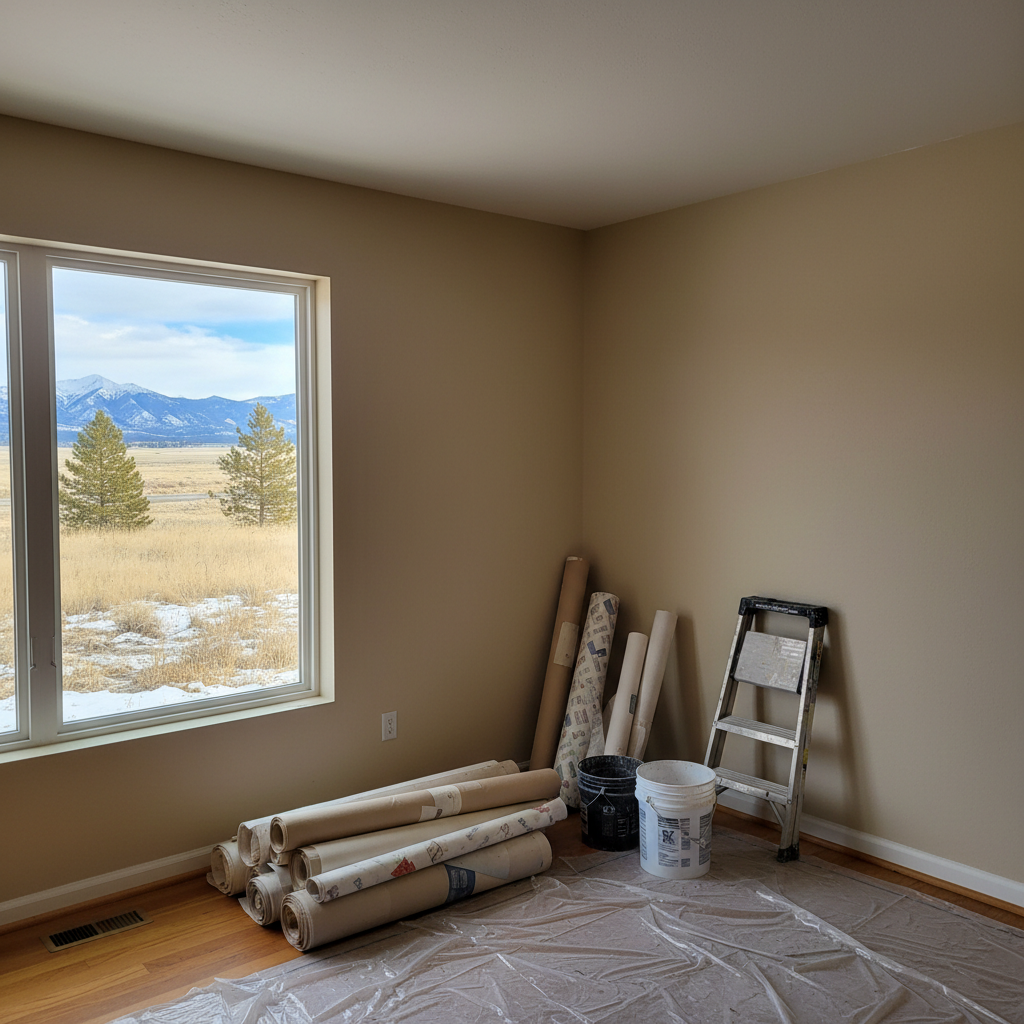
So, you're finally ready to ditch that old wallpaper, huh? Good for you. It's a job that can really change a room's whole vibe, but here in Great Falls, you can't just jump into it any time of year and expect the best results. Our weather, from those dry summers to the brutal cold snaps, actually makes a huge difference in how easily that paper comes off and how your walls recover afterward.
The Sweet Spot for Wallpaper Removal in Great Falls
Honestly, the best time for wallpaper removal around here is late spring or early fall. Why then? Because the humidity is usually just right. When it's too dry, like in the dead of winter with your furnace cranking, the paste can get super brittle. That means the paper tears into tiny little bits, and you'll be scraping for days. On the other hand, if it's too humid, say during a really wet summer, the paper can get mushy and tear easily too. More importantly, though, your walls won't dry out properly after you've soaked them. That can cause problems down the road, like mildew if you're not careful, or just a longer wait before you can prime and paint.
I've seen folks try this in January when it's -20 degrees outside and the air inside feels like a desert. They just end up frustrated, and the job takes twice as long. Or they try in July during a heatwave, and the steam from their removal tools just turns the whole house into a sauna, and the walls take forever to dry. Not fun, believe me.
How Our Weather Affects Your Wallpaper Project
Let's break down what our Great Falls climate means for your wallpaper project:
- Low Humidity (Winter): Like I said, super dry air turns the paste hard as a rock. You'll need more steam, more water, and a lot more elbow grease. The good news is your walls will dry out fast once the paper is off, but getting it off is the real struggle.
- High Humidity (Summer): If we get a stretch of rainy, humid days, the paper might come off easier. But then, the drying time for your walls will be much longer. You absolutely need good ventilation. Open windows, run fans. You really don't want moisture trapped in the drywall or plaster before you prime.
- Moderate Humidity (Spring/Fall): This is the Goldilocks zone, the perfect balance. The paste softens nicely, the paper comes off in bigger pieces, and your walls dry at a reasonable rate. You still need good airflow, of course, but you're not fighting extreme conditions.
Another thing to think about is temperature. You don't want to be doing this in a freezing cold room, and you certainly don't want to be sweating buckets either. A comfortable room temperature, usually between 68-72°F, is ideal for both you and the materials you're working with.
Keeping Your Walls Looking Great All Year
Once that wallpaper is gone and you've got a fresh coat of paint on, you'll want to keep those walls looking good. Here's how:
- Control Indoor Humidity: This is huge, especially with our climate's wild swings. In winter, use a humidifier to keep the air from getting too dry, particularly if you have plaster walls that can crack. In summer, a dehumidifier can help stop too much moisture from building up, which is good for your paint and your home's overall health. Aim for 30-50% humidity.
- Good Ventilation: Always, always make sure you have good airflow. Whether it's opening windows on nice days or running exhaust fans in bathrooms and kitchens, moving air helps prevent moisture issues that can mess with paint adhesion and lead to mildew.
- Fix Leaks Fast: This sounds obvious, but even a small roof leak or a plumbing drip can ruin a freshly painted wall. Great Falls gets its share of snowmelt and heavy rains, so keep an eye on your roof and plumbing.
- Proper Priming and Painting: It's not just about getting the paper off; it's about what goes on next. Use a high-quality primer specifically made to seal porous surfaces and block any leftover paste or stains. Then, invest in good quality paint. It holds up better to cleaning and general wear and tear. At Great Falls Painting Company, we always stress this step because it's the foundation for a lasting finish.
Taking the time to consider our local weather patterns before you start ripping down wallpaper will save you a lot of headaches, trust me. A little planning goes a long way to getting a smooth, beautiful wall ready for its next chapter.